
The cryptocurrency landscape has undergone remarkable transformation since Bitcoin’s inception, evolving from a niche digital experiment into a trillion-dollar financial ecosystem that commands attention from institutional investors, retail traders, and financial institutions worldwide. As we navigate through this dynamic market environment, understanding which digital assets offer genuine potential versus mere speculative hype has become increasingly crucial for anyone looking to build a profitable cryptocurrency portfolio.
Understanding the Current Cryptocurrency Market Dynamics
The digital currency market operates differently from traditional financial markets, characterized by heightened volatility, twenty-four-seven trading cycles, and unique technological fundamentals that drive value creation. Unlike conventional stocks or bonds, cryptocurrencies derive their worth from various factors including network adoption, technological innovation, real-world utility, and community engagement.
Market capitalization serves as one primary indicator when evaluating cryptocurrency projects, though it shouldn’t be the sole determining factor. The total value locked in decentralized finance protocols, transaction volumes, active wallet addresses, and development activity all contribute to painting a comprehensive picture of a project’s health and future potential.
Recent regulatory developments have significantly impacted market sentiment, with clearer frameworks emerging in major economies. This regulatory maturation has attracted institutional capital previously sitting on sidelines, fundamentally altering market dynamics and potentially reducing extreme volatility that characterized earlier market cycles.
Bitcoin: The Digital Gold Standard
Bitcoin remains the undisputed leader in cryptocurrency markets, often referred to as digital gold due to its store-of-value properties and limited supply of twenty-one million coins. Created by the pseudonymous Satoshi Nakamoto, Bitcoin introduced blockchain technology to the world and continues serving as the gateway cryptocurrency for most new investors.
A. Institutional Adoption and Price Drivers
Major corporations have added Bitcoin to their treasury reserves, viewing it as an inflation hedge and alternative store of value. Financial institutions now offer Bitcoin custody services, exchange-traded products, and investment vehicles that make cryptocurrency accessible to traditional investors uncomfortable with direct ownership.
The halving mechanism built into Bitcoin’s protocol reduces mining rewards approximately every four years, creating programmatic scarcity that historically preceded significant price appreciation. The most recent halving event has positioned Bitcoin for potential upward momentum based on historical patterns, though past performance never guarantees future results.
B. Network Security and Decentralization
Bitcoin’s proof-of-work consensus mechanism, while energy-intensive, provides unparalleled security through computational power distributed across thousands of miners globally. This decentralization makes the network extremely resistant to attacks or manipulation, a crucial feature for any asset positioning itself as sound money.
The Lightning Network, a second-layer solution, addresses Bitcoin’s scalability limitations by enabling faster, cheaper transactions while maintaining the base layer’s security guarantees. This technological advancement expands Bitcoin’s utility beyond store of value toward medium of exchange functionality.
C. Investment Considerations
Bitcoin’s market dominance typically ranges between forty and seventy percent of total cryptocurrency market capitalization, making it the most liquid and widely accepted digital asset. This liquidity advantage means easier entry and exit points compared to smaller cryptocurrencies that may experience significant slippage during large trades.
However, Bitcoin’s maturity means potentially lower percentage gains compared to emerging projects, though this comes with relatively reduced volatility and risk. Conservative cryptocurrency portfolios often allocate significant portions to Bitcoin as foundational exposure before exploring alternative digital assets.
Ethereum: The Smart Contract Pioneer
Ethereum revolutionized blockchain technology by introducing programmable smart contracts, self-executing agreements with terms directly written into code. This innovation enabled decentralized applications, non-fungible tokens, and the entire decentralized finance ecosystem that has grown to manage billions in assets.
A. The Merge and Environmental Impact
Ethereum’s transition from proof-of-work to proof-of-stake consensus, known as The Merge, represented one of the most significant technological achievements in cryptocurrency history. This upgrade reduced Ethereum’s energy consumption by approximately ninety-nine percent while maintaining network security and decentralization.
The proof-of-stake mechanism allows token holders to stake their Ethereum, earning rewards while securing the network. This creates inherent demand for the native token and provides investors with yield-generating opportunities beyond simple price appreciation.
B. Decentralized Finance and Network Effects
Ethereum hosts the vast majority of decentralized finance protocols, creating powerful network effects that reinforce its dominance. Developers prefer building on established platforms with existing users, liquidity, and infrastructure, making Ethereum the default choice for many blockchain applications.
Total value locked in Ethereum-based protocols serves as a key metric for assessing network health and adoption. Higher TVL indicates greater capital deployment and user confidence in the ecosystem, typically correlating with long-term price appreciation of the native token.
C. Layer-Two Scaling Solutions
Recognizing Ethereum’s base layer limitations, numerous layer-two solutions have emerged to provide faster, cheaper transactions while inheriting Ethereum’s security. Optimistic rollups, zero-knowledge rollups, and other scaling technologies are making Ethereum more accessible for everyday transactions and complex applications.
These layer-two networks create a hierarchical blockchain architecture where the main chain provides settlement and security while upper layers handle transaction throughput. This approach potentially positions Ethereum as the settlement layer for global financial infrastructure.
D. Investment Potential
Ethereum’s versatility beyond simple value transfer creates multiple value accrual mechanisms. Gas fees paid for transactions, staking rewards, and potential deflationary tokenomics following network upgrades all contribute to Ethereum’s investment thesis.
The upcoming roadmap includes further scalability improvements, enhanced security features, and better user experience, potentially expanding Ethereum’s addressable market significantly. However, competition from alternative smart contract platforms presents ongoing challenges that investors should monitor.
Solana: The High-Performance Blockchain
Solana has emerged as a formidable competitor to Ethereum, offering significantly faster transaction speeds and lower fees through its innovative proof-of-history consensus mechanism. The network can theoretically process tens of thousands of transactions per second, addressing scalability concerns that plague earlier blockchain generations.
A. Technical Architecture and Performance
Solana’s unique approach combines proof-of-history with proof-of-stake, creating timestamps for transactions that enable parallel processing and extreme throughput. This architectural innovation makes Solana attractive for applications requiring high-frequency interactions, such as decentralized exchanges and gaming platforms.
The network’s performance has attracted developers building consumer-facing applications where user experience demands speed comparable to traditional web applications. This focus on usability could drive mainstream adoption faster than platforms with slower transaction times and higher costs.
B. Ecosystem Growth and Developer Activity
Solana’s ecosystem has expanded rapidly, with decentralized finance protocols, non-fungible token marketplaces, and gaming applications choosing the platform for deployment. Developer grants and ecosystem funding have accelerated this growth, creating a vibrant community of builders contributing to network effects.
The annual Breakpoint conference showcases Solana’s technological developments and ecosystem growth, serving as a barometer for project momentum and community engagement. Strong developer communities typically correlate with long-term project success and value creation.
C. Challenges and Considerations
Solana has experienced network outages that raised concerns about reliability and decentralization. While development teams have implemented fixes and improvements, these incidents highlight the trade-offs between performance and stability that newer blockchains navigate.
Hardware requirements for running Solana validator nodes are higher than some competing chains, potentially limiting decentralization compared to networks with lower barriers to participation. This centralization risk represents an important consideration when evaluating long-term investment potential.
D. Investment Outlook
Solana’s native token serves multiple functions including transaction fees, staking, and governance participation. The combination of utility, staking yields, and potential appreciation from ecosystem growth creates a multifaceted investment case.
Market positioning as the “Ethereum killer” creates both opportunity and risk. Success depends on continuing technological execution, ecosystem expansion, and market share capture from established competitors while maintaining network stability and security.
Cardano: The Research-Driven Platform
Cardano distinguishes itself through peer-reviewed academic research underlying its development, creating a methodical approach to blockchain innovation. Founded by Ethereum co-founder Charles Hoskinson, Cardano emphasizes formal verification and scientific rigor in protocol design.
A. Layered Architecture Approach
Cardano separates its settlement layer from its computation layer, allowing independent upgrades and optimizations for each function. This architectural decision provides flexibility and reduces risks associated with protocol changes that could impact security or performance.
The Ouroboros proof-of-stake consensus protocol has undergone extensive academic scrutiny, providing mathematical assurances about security properties. This research-first approach aims to create more predictable and reliable blockchain infrastructure suitable for critical applications.
B. Sustainability and Governance
Cardano’s treasury system automatically allocates a portion of transaction fees to fund ongoing development and ecosystem growth. This creates financial sustainability without relying on foundation funds that eventually deplete, potentially supporting long-term project viability.
The Voltaire governance phase introduces on-chain voting mechanisms allowing token holders to participate in protocol decisions. Decentralized governance aims to create more resilient and community-driven development processes that adapt to changing needs and circumstances.
C. Real-World Applications
Cardano has pursued partnerships for identity solutions, supply chain tracking, and financial inclusion initiatives, particularly in developing markets. These real-world use cases move beyond speculative applications toward tangible value creation and problem-solving.
The focus on emerging markets represents both opportunity and risk, as success requires navigating regulatory complexities, building local partnerships, and demonstrating clear advantages over existing solutions or competing blockchain platforms.
D. Investment Considerations
Cardano’s methodical development pace has drawn criticism from those preferring rapid iteration and deployment. However, supporters argue this approach reduces security risks and technical debt that could prove costly long-term.
Token distribution and staking participation rates indicate community engagement and network security. Higher staking rates generally signal confidence in the project and create scarcity that can support price appreciation, though correlation doesn’t guarantee causation.
Polkadot: The Interoperability Solution
Polkadot addresses blockchain fragmentation through its unique parachain architecture, enabling different blockchains to communicate and share security. This interoperability focus positions Polkadot as potential infrastructure connecting the multi-chain future that many predict.
A. Relay Chain and Parachain Model
The relay chain provides shared security for connected parachains, allowing specialized blockchains to focus on specific use cases while benefiting from collective network protection. This shared security model reduces costs and complexity for individual projects compared to bootstrapping independent security.
Parachain slot auctions create competitive mechanisms for projects wanting to connect to Polkadot’s ecosystem. These auctions require substantial token commitments, creating demand for Polkadot’s native token while demonstrating project commitment and community support.
B. Cross-Chain Communication
Cross-consensus messaging format enables different parachains to exchange data and value, creating composability across previously isolated blockchain ecosystems. This interoperability could unlock new applications and user experiences impossible within single-chain environments.
Bridges connecting Polkadot to external networks like Ethereum and Bitcoin expand the ecosystem’s reach and utility. However, bridge security remains an industry-wide challenge, with numerous high-profile exploits highlighting vulnerabilities in cross-chain infrastructure.
C. Governance and Upgradability
Polkadot implements on-chain governance allowing stakeholders to vote on network upgrades without contentious hard forks. This governance mechanism enables protocol evolution while maintaining community consensus and reducing fragmentation risks.
The ability to upgrade without forking creates technical advantages and social coordination benefits, potentially allowing faster adaptation to changing technological landscapes and market conditions compared to governance-minimized protocols.
D. Investment Analysis
Polkadot’s value proposition depends significantly on successfully attracting high-quality parachains and achieving meaningful cross-chain activity. Network effects become crucial, as interoperability provides limited value without diverse, active ecosystems to connect.
Competition from other interoperability solutions and layer-two scaling approaches creates uncertainty about which technical architectures will dominate long-term. Investors should monitor parachain growth, cross-chain volumes, and developer activity as key indicators of traction.
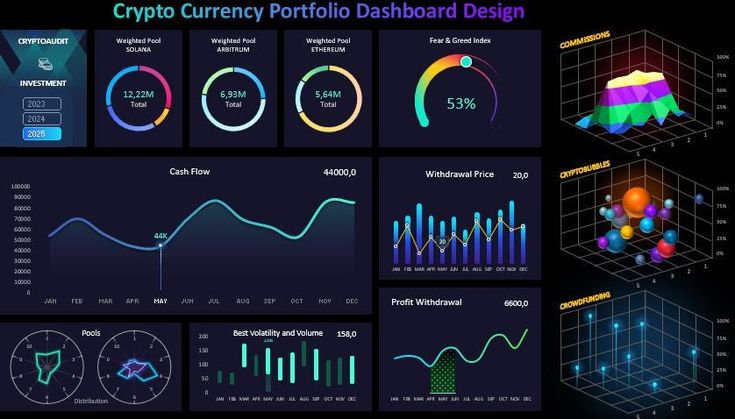
Building a Diversified Cryptocurrency Portfolio
Successful cryptocurrency investment requires strategic allocation across different risk profiles, technological approaches, and market capitalizations. Blindly following trends or concentrating entirely in speculative assets has historically led to significant losses during market downturns.
A. Risk Assessment and Position Sizing
Conservative investors might allocate seventy to eighty percent toward Bitcoin and Ethereum, with remaining portions in carefully selected alternative cryptocurrencies. This approach provides foundational exposure while allowing participation in potentially higher-growth opportunities.
More aggressive strategies might reduce Bitcoin and Ethereum allocation to fifty percent or less, increasing exposure to mid-cap and emerging projects. Higher potential returns come with substantially increased volatility and project-specific risks including technological failure, competition, or regulatory challenges.
B. Regular Rebalancing Strategies
Cryptocurrency portfolios can become unbalanced quickly due to differential price movements across holdings. Regular rebalancing maintains target allocations, systematically taking profits from outperformers and adding to underperformers, enforcing disciplined buy-low-sell-high behavior.
Rebalancing frequency represents a trade-off between maintaining target allocations and minimizing transaction costs or tax implications. Quarterly or semi-annual rebalancing often provides reasonable balance, though individual circumstances vary significantly.
C. Dollar-Cost Averaging Approach
Systematic investment of fixed amounts at regular intervals reduces timing risk and emotional decision-making. Dollar-cost averaging performs particularly well in volatile markets, automatically buying more units when prices decline and fewer when prices rise.
This approach requires discipline during euphoric market peaks when buying seems expensive and during panic selloffs when further declines feel inevitable. Historical data across various markets demonstrates long-term benefits of consistent, emotion-free investing.
D. Security and Storage Considerations
Self-custody through hardware wallets provides maximum security and control, though requires technical knowledge and responsibility for backup security. Lost private keys mean permanently lost funds, making proper backup procedures absolutely critical.
Reputable exchanges with strong security track records offer convenience and insurance for certain account types, suitable for those uncomfortable with self-custody responsibilities. However, exchange custody introduces counterparty risk and reduces true cryptocurrency ownership benefits.

Market Analysis and Research Methods
Informed cryptocurrency investment requires understanding how to evaluate projects beyond price charts and marketing hype. Fundamental analysis, technical analysis, and sentiment monitoring all contribute to comprehensive market understanding.
A. Fundamental Analysis Techniques
Examining whitepaper technical specifications, team backgrounds, development activity, and partnerships provides insight into project viability and potential. Active GitHub repositories with regular commits indicate ongoing development, while abandoned codebases suggest troubled projects.
Token economics including supply schedules, distribution methods, and utility mechanisms fundamentally impact long-term value potential. Inflationary tokens with unlimited supply face continuous selling pressure absent sufficient demand growth, while deflationary mechanisms can support price appreciation.
B. Technical Analysis Considerations
Chart patterns, support and resistance levels, and momentum indicators help identify potential entry and exit points. While technical analysis doesn’t predict future prices with certainty, it reveals market psychology and trading behavior patterns.
Volume analysis confirms price movements and identifies potential reversals. Price increases on declining volume suggest weakening trends, while volume expansion during breakouts indicates stronger conviction and potentially sustainable movements.
C. Sentiment and Social Metrics
Social media activity, search trends, and community engagement provide insights into retail interest and potential momentum shifts. Extreme sentiment in either direction often precedes reversals, as excessive optimism or pessimism rarely sustains indefinitely.
Fear and greed indexes quantify market emotion, helping contrarian investors identify potentially oversold or overbought conditions. However, sentiment alone provides insufficient basis for investment decisions without supporting fundamental and technical analysis.
Tax Implications and Regulatory Compliance
Cryptocurrency taxation varies significantly across jurisdictions, with most treating digital assets as property subject to capital gains taxes. Understanding tax obligations prevents costly surprises and ensures legal compliance.
A. Capital Gains Treatment
Most jurisdictions tax cryptocurrency profits as capital gains, with rates depending on holding periods and total income. Short-term holdings typically face higher tax rates than long-term investments, incentivizing buy-and-hold strategies beyond immediate tax benefits.
Cryptocurrency-to-cryptocurrency trades often trigger taxable events, contrary to some investors’ assumptions that only fiat conversions generate tax obligations. Accurate record-keeping becomes essential for calculating cost basis and capital gains across numerous transactions.
B. Record Keeping Requirements
Maintaining detailed transaction records including dates, amounts, fair market values, and counterparties facilitates accurate tax reporting. Specialized cryptocurrency tax software can automate much of this tracking, importing exchange data and calculating gains and losses.
Lost or incomplete records create significant challenges during tax preparation or audits. Implementing systematic record-keeping from the start proves far easier than reconstructing transaction history years later.
C. Regulatory Landscape Evolution
Cryptocurrency regulation continues evolving, with governments worldwide developing frameworks balancing innovation encouragement with consumer protection and financial stability concerns. Staying informed about regulatory developments prevents inadvertent violations and identifies opportunities or risks.
Clear regulations generally benefit mature markets by reducing uncertainty and enabling institutional participation. However, overly restrictive frameworks might drive innovation to more favorable jurisdictions, impacting local project viability and market dynamics.
Future Outlook and Emerging Trends
The cryptocurrency industry continues rapid evolution, with emerging technologies and use cases potentially reshaping the investment landscape. Awareness of developing trends helps position portfolios for future opportunities while avoiding obsolete technologies.
A. Institutional Integration
Traditional financial institutions increasingly integrate cryptocurrency services, from custody solutions to trading desks to investment products. This institutional adoption provides legitimacy and capital inflows while potentially reducing volatility through more sophisticated market participants.
Central bank digital currencies represent government responses to cryptocurrency innovation, creating both competition and validation for digital asset concepts. CBDC development acknowledges the inevitability of payment digitization while maintaining government control.
B. Decentralized Finance Evolution
Decentralized finance continues expanding beyond simple lending and trading toward comprehensive financial services including derivatives, insurance, and structured products. This evolution could challenge traditional financial intermediaries while creating new investment opportunities.
Regulation of decentralized finance remains uncertain, with governments worldwide grappling with how to apply existing frameworks to permissionless, autonomous protocols. Regulatory clarity or restriction will significantly impact DeFi project viability and growth trajectories.
C. Non-Fungible Token Maturation
Non-fungible tokens have evolved beyond digital collectibles toward practical applications in gaming, identity, intellectual property, and real-world asset tokenization. These expanded use cases could drive mainstream adoption and create substantial value beyond speculative trading.
The intersection of artificial intelligence and blockchain technology presents intriguing possibilities for autonomous systems, verifiable computation, and decentralized machine learning. These emerging applications remain highly speculative but could represent transformative innovations.

Conclusion
Cryptocurrency investment offers significant opportunities alongside substantial risks requiring careful evaluation, strategic planning, and disciplined execution. Success demands understanding technological fundamentals, market dynamics, and personal risk tolerance rather than chasing short-term gains or following crowd psychology.
Diversification across established projects and carefully selected emerging opportunities provides balanced exposure to cryptocurrency’s potential while managing downside risks. Regular portfolio review and adjustment ensures alignment with changing market conditions and personal circumstances.
The cryptocurrency market will continue evolving, presenting both challenges and opportunities for investors willing to commit time understanding this complex, rapidly developing asset class. Patient, informed investors focusing on long-term value creation rather than short-term speculation position themselves optimally for success in this transformative financial innovation.