
As of December 20, 2025, the cryptocurrency market remains captivated by Bitcoin’s intense struggle around the $90,000 level. The leading digital asset has been hovering in the upper $80,000s, repeatedly testing this psychological and technical ceiling without achieving a decisive breakout. Enthusiastic buyers push for new highs, while cautious sellers defend the zone, creating a classic tug-of-war that defines the current market sentiment.
Bitcoin’s price action in late 2025 reflects broader dynamics in the crypto space. After reaching an all-time high above $126,000 in October, the asset experienced a significant correction, shedding over 30% at its lowest points. This pullback erased much of the year’s early gains and introduced volatility reminiscent of previous cycles. However, recent trading sessions show signs of stabilization, with Bitcoin trading around $88,000–$89,000 amid fluctuating volumes.
This resistance at $90,000 has emerged as a pivotal battleground. Multiple attempts to surpass it have met with swift rejections, often coinciding with U.S. trading hours where sell pressure intensifies. Analysts attribute this pattern to a combination of profit-taking, leveraged position unwinding, and broader risk-off sentiment spilling over from traditional markets.
Understanding Bitcoin’s Price Resistance
Price resistance levels like $90,000 form when a concentration of sell orders overwhelms buying pressure. In Bitcoin’s case, several factors contribute to this stubborn barrier:
A. Psychological Significance — Round numbers such as $90,000 often act as mental anchors for traders, prompting automated sell orders or manual profit realization.
B. Historical Overhead Supply — Earlier in 2025, Bitcoin consolidated around similar levels before major moves, leaving many holders with cost bases near current prices who may be eager to exit at breakeven.
C. Technical Indicators — Moving averages, including the 50-day and 200-day, have converged near this zone, creating a dense layer of potential resistance.
D. Options Market Activity — Large options expirations have amplified volatility, with significant open interest clustered around $90,000 strikes, leading to pinning or gamma-related selling.
E. On-Chain Metrics — Exchange inflows from long-term holders have increased slightly, suggesting some distribution at these elevated prices.
Despite these challenges, supportive elements keep the bullish case alive. Spot Bitcoin ETFs continue to see periodic inflows, providing a steady bid underneath the market. Additionally, Bitcoin’s dominance remains elevated, indicating capital concentration in the primary asset rather than rotation to altcoins.

Key Factors Influencing Bitcoin’s Current Stance
Several macroeconomic and industry-specific developments shape the ongoing contest between buyers and sellers.
- Institutional Adoption and ETF Flows The approval and maturation of spot Bitcoin ETFs in previous years transformed market structure. In 2025, these vehicles absorbed billions in capital during rallies but experienced outflows during corrections. Recent data shows mixed flows, with some weeks registering net inflows despite price stagnation. Institutions view Bitcoin increasingly as a portfolio diversifier, but sensitivity to interest rate expectations tempers aggressive buying.
- Monetary Policy and Global Economics Central bank actions play a crucial role. The Federal Reserve’s rate decisions, along with moves from the Bank of Japan and others, influence risk appetite. While lower rates generally support risk assets like Bitcoin, persistent inflation concerns and hawkish commentary have capped upside. Bitcoin’s growing correlation with equity markets, particularly tech-heavy indices, means it often mirrors broader sentiment shifts.
- Halving Cycle Dynamics The most recent Bitcoin halving reduced mining rewards, historically catalyzing bull runs due to supply constriction. However, 2025’s post-halving performance has been more muted than prior cycles, possibly due to greater market maturity and front-running of the event.
- Regulatory Landscape Evolving regulations worldwide affect investor confidence. Positive developments, such as clearer frameworks in major jurisdictions, bolster long-term optimism. Conversely, uncertainty or restrictive policies in certain regions contribute to caution.
- Market Sentiment Indicators Tools like the Fear & Greed Index currently signal neutral to fearful territory, reflecting hesitation among retail participants. Social media buzz and search trends show heightened interest in “Bitcoin bear market” queries, yet on-chain accumulation by large wallets suggests conviction among sophisticated investors.

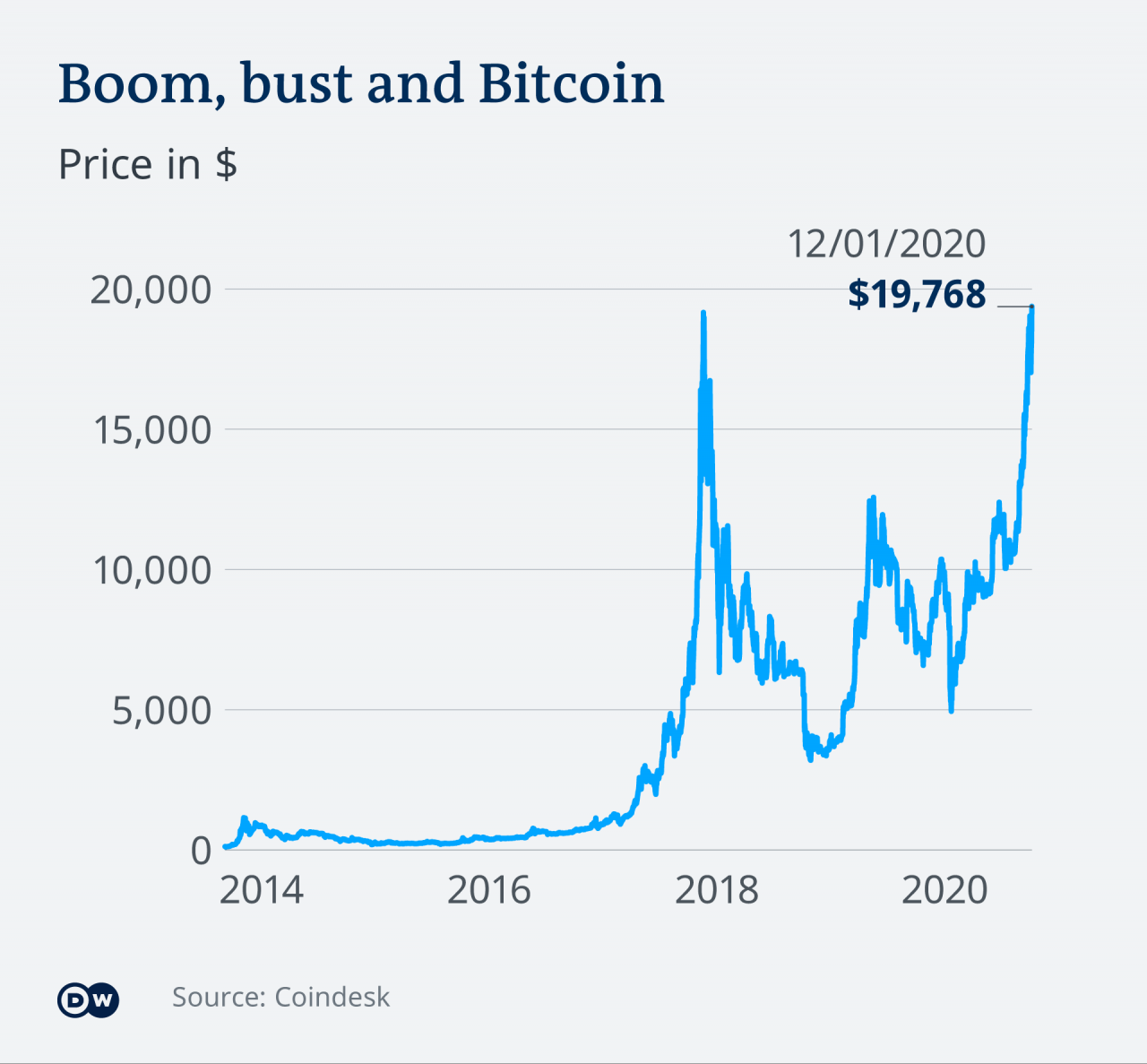
Technical Analysis: Charts and Key Levels
From a charting perspective, Bitcoin exhibits a range-bound pattern with clear boundaries.
- Support Zones: Primary support lies around $80,000–$83,000, aligning with previous lows and Fibonacci retracement levels from the October high. A stronger floor exists near $74,000–$76,000, coinciding with 2025 yearly lows.
- Resistance Targets: Immediate overhead at $90,000–$92,000. A clean break could open the path to $95,000 and potentially retest all-time highs around $126,000.
- Momentum Oscillators: RSI hovers near neutral (around 50), indicating neither overbought nor oversold conditions. MACD shows weakening bearish momentum, hinting at possible reversal if volume picks up.
Traders often monitor volume profiles and order book depth for clues. Thin liquidity during holidays exacerbates moves, making December traditionally volatile.
Bullish Arguments: Why Buyers Remain Optimistic
Enthusiasts maintain strong conviction for several reasons:
A. Scarcity Narrative — With over 19.9 million Bitcoins mined and a fixed supply cap of 21 million, diminishing new issuance reinforces value accrual over time.
B. Network Fundamentals — Hash rate at all-time highs signals robust security, while transaction fees and Lightning Network adoption demonstrate growing utility.
C. Macro Tailwinds — Potential for renewed monetary easing in 2026, combined with geopolitical hedging demand, positions Bitcoin favorably.
D. Historical Precedent — Post-correction rallies in previous cycles often exceeded prior highs significantly.
E. Analyst Targets — Firms like Citigroup project $143,000 within 12 months, citing ETF momentum and regulatory clarity.
F. Corporate Treasury Adoption — Companies continuing to allocate to Bitcoin validate its store-of-value thesis.
Bearish Counterpoints: Risks That Could Prolong the Struggle
Skeptics highlight vulnerabilities:
A. Correlation to Risk Assets — Increased linkage to stocks exposes Bitcoin to equity drawdowns, especially amid AI stock valuations concerns.
B. Leverage Flush — Periodic liquidations of over-leveraged positions create cascading sell-offs.
C. Seasonal Weakness — December has historically delivered mixed returns, with profit-taking common at year-end.
D. Alternative Safe Havens — Gold’s strong performance in 2025 has drawn capital away from Bitcoin in some portfolios.
E. Technical Breakdown Risks — Failure to hold key supports could accelerate declines toward lower targets.
F. Sentiment Extremes — Prolonged consolidation often precedes sharper moves, but direction remains uncertain.
What Could Trigger a Breakout?
Catalysts for resolution include:
- Sustained ETF inflows exceeding outflows.
- Positive macroeconomic data shifting rate cut expectations.
- Major corporate or sovereign announcements regarding Bitcoin holdings.
- Technical volume surge accompanying a daily close above $90,000.
Conversely, renewed risk aversion or large-scale profit-taking could push prices lower.
Long-Term Outlook for Bitcoin
Zooming out, Bitcoin’s trajectory remains upward over multi-year horizons. Its evolution from niche experiment to recognized asset class underscores resilience. While short-term battles like the current $90,000 standoff capture attention, fundamentals—decentralization, censorship resistance, and finite supply—continue to attract proponents.
Analysts’ predictions for end-of-2025 vary widely, from conservative $100,000 estimates to optimistic $120,000+ scenarios contingent on favorable conditions. Into 2026 and beyond, projections escalate further as adoption deepens.
Investors should approach with diligence: diversify, manage risk, and align positions with personal conviction and time horizon. Volatility defines cryptocurrency markets, offering both opportunity and challenge.
In conclusion, the clash at $90,000 encapsulates Bitcoin’s maturation—greater stability yet persistent excitement. Whether bulls prevail soon or consolidation extends, the asset’s role in global finance appears increasingly entrenched.