
The financial landscape is undergoing a remarkable transformation as we witness the emergence of innovative payment solutions that bridge the gap between traditional currency and digital assets. The concept of hybrid wallets represents a significant milestone in this evolution, offering users unprecedented flexibility in managing both conventional money and cryptocurrencies within a single, unified platform. This comprehensive guide explores the revolutionary shift toward integrated financial management systems and examines how this technological advancement is reshaping our approach to personal finance.
Understanding the Hybrid Wallet Phenomenon
The modern financial ecosystem has evolved dramatically from its traditional roots. Where once we relied solely on physical currency and bank accounts, today’s consumers demand more versatile solutions that accommodate both established monetary systems and emerging digital assets. Hybrid wallets represent the culmination of this demand, providing a sophisticated infrastructure that seamlessly integrates multiple payment methods into one accessible platform.
These innovative financial tools function as comprehensive management systems, allowing users to store, transfer, and utilize various forms of value without the need for multiple applications or accounts. The technology eliminates the friction that previously existed between traditional banking and cryptocurrency ecosystems, creating a streamlined experience that appeals to both conventional users and crypto enthusiasts.
The architecture behind hybrid wallets employs advanced encryption protocols and distributed ledger technology to ensure maximum security while maintaining user-friendly interfaces. This combination of robust protection and intuitive design makes these platforms accessible to individuals regardless of their technical expertise or previous experience with digital currencies.
The Evolution of Payment Systems
To fully appreciate the significance of hybrid wallets, we must examine the historical context of payment evolution. The journey from barter systems to digital currencies spans millennia, with each iteration bringing increased convenience and efficiency.
A. Traditional Banking Era
The conventional banking system dominated financial transactions for centuries, establishing trusted institutions that facilitated value exchange and storage. However, these systems operated within rigid frameworks, imposing geographical limitations, processing delays, and substantial fees on international transfers.
B. Digital Banking Revolution
The advent of internet banking marked the first major disruption, enabling remote account management and electronic transfers. This innovation significantly reduced the need for physical branch visits while accelerating transaction speeds.
C. Mobile Payment Emergence
Smartphone proliferation catalyzed another evolutionary leap, introducing mobile payment applications that transformed devices into portable financial hubs. Services like Apple Pay, Google Pay, and various regional alternatives normalized contactless transactions.
D. Cryptocurrency Introduction
Bitcoin’s 2009 launch initiated the decentralized finance movement, introducing blockchain technology and challenging traditional financial paradigms. Subsequent cryptocurrency development created diverse digital assets with varying use cases and value propositions.
E. Hybrid Integration
The current phase represents convergence, where hybrid wallets synthesize previous innovations into cohesive platforms that honor traditional finance while embracing digital asset potential.

Key Features of Modern Hybrid Wallets
Contemporary hybrid wallet platforms incorporate numerous features designed to maximize utility and user satisfaction. Understanding these capabilities helps consumers make informed decisions when selecting financial management tools.
A. Multi-Currency Support
Advanced hybrid wallets accommodate numerous fiat currencies alongside popular cryptocurrencies, enabling users to maintain diverse portfolios within single applications. This functionality proves particularly valuable for international travelers and cross-border traders who regularly engage with multiple monetary systems.
B. Real-Time Conversion
Sophisticated algorithms facilitate instantaneous currency exchanges at competitive rates, allowing users to seamlessly transition between assets according to their immediate needs or strategic preferences. This feature eliminates the delays and complications associated with traditional currency exchange services.
C. Enhanced Security Protocols
Security remains paramount in financial technology, and hybrid wallets implement multiple protective layers including biometric authentication, two-factor verification, encryption standards, and cold storage options for cryptocurrency holdings. These measures collectively create robust defenses against unauthorized access and malicious attacks.
D. Unified Transaction History
Comprehensive transaction tracking consolidates all financial activities into accessible records, simplifying budget management, tax preparation, and expense analysis. Users gain complete visibility into their financial behaviors across both traditional and digital asset transactions.
E. Integrated Investment Tools
Many hybrid platforms now incorporate investment features, enabling users to participate in cryptocurrency staking, yield farming, or traditional savings products without leaving the application. This integration transforms wallets from simple storage solutions into comprehensive financial management centers.
F. Merchant Integration
Growing acceptance among retailers means hybrid wallet users can increasingly utilize their preferred payment method regardless of whether merchants traditionally accept cryptocurrency or conventional currency. The wallet handles necessary conversions automatically.

Benefits Driving Hybrid Wallet Adoption
The rapid growth of hybrid wallet platforms stems from tangible advantages they provide to various user segments. These benefits address long-standing pain points in financial management while introducing new capabilities.
A. Financial Flexibility
Users enjoy unprecedented control over their assets, choosing optimal payment methods for specific situations. Whether purchasing coffee locally or transferring funds internationally, hybrid wallets provide appropriate solutions without requiring multiple accounts or applications.
B. Cost Efficiency
Traditional banking often imposes various fees for maintenance, transfers, and currency conversions. Hybrid wallets typically reduce or eliminate many of these charges, particularly for cryptocurrency transactions that bypass conventional banking infrastructure.
C. Global Accessibility
Geographic boundaries lose relevance with hybrid wallets, as users can send and receive funds across continents with minimal friction. This accessibility proves transformative for underbanked populations and individuals in regions with unstable banking systems.
D. Investment Opportunities
Cryptocurrency exposure through hybrid wallets allows users to participate in potentially high-growth digital assets without specialized knowledge or dedicated exchange accounts. This democratization of investment access expands financial possibilities for average consumers.
E. Privacy Considerations
While maintaining regulatory compliance, many hybrid wallets offer enhanced privacy features compared to traditional banking, giving users greater control over their financial information disclosure.
F. Speed and Convenience
Transaction processing occurs rapidly, often completing within seconds or minutes rather than the days sometimes required by conventional banking systems. This efficiency proves crucial for time-sensitive transfers or immediate payment needs.

Challenges and Considerations
Despite numerous advantages, hybrid wallet adoption faces certain obstacles that potential users should understand before committing to these platforms.
A. Regulatory Uncertainty
Cryptocurrency regulation remains inconsistent globally, with different jurisdictions adopting varying approaches. This regulatory landscape creates uncertainty for wallet providers and users alike, potentially affecting service availability and legal compliance requirements.
B. Volatility Concerns
Cryptocurrency value fluctuations can significantly impact portfolio worth, introducing risk for users who maintain substantial digital asset holdings. This volatility contrasts sharply with the relative stability of established fiat currencies.
C. Technical Learning Curve
Although hybrid wallets prioritize user-friendly design, cryptocurrency concepts like private keys, blockchain confirmations, and gas fees may confuse newcomers. Educational resources become essential for maximizing platform utility.
D. Security Responsibilities
Unlike traditional banking where institutions assume primary security responsibilities, cryptocurrency holders bear significant accountability for protecting their assets. Lost private keys or security breaches can result in irreversible fund losses.
E. Limited Merchant Acceptance
Despite growing adoption, many retailers still exclusively accept traditional payment methods. This limitation occasionally necessitates currency conversion or alternative payment arrangements.
F. Platform Reliability
As relatively new technological solutions, some hybrid wallet platforms may experience technical issues, service interruptions, or even business failures that could affect user access to funds.
Selecting the Right Hybrid Wallet
Choosing an appropriate hybrid wallet requires careful evaluation of personal needs and platform capabilities. Several factors merit consideration during the selection process.
A. Security Features
Prioritize platforms demonstrating robust security commitments through transparent protocols, insurance policies, and proven track records. Research historical security incidents and company responses to gauge reliability.
B. Supported Assets
Verify that prospective wallets support all currencies and cryptocurrencies relevant to your financial activities. Limited asset support may necessitate multiple platforms, defeating the hybrid wallet purpose.
C. Fee Structures
Examine complete fee schedules including transaction costs, conversion rates, withdrawal charges, and any subscription fees. Hidden costs can significantly impact long-term platform affordability.
D. User Interface Quality
Test application interfaces to ensure intuitive navigation and clear information presentation. Confusing designs increase error risks and diminish user experience quality.
E. Customer Support
Evaluate support availability, responsiveness, and helpfulness through reviews and direct inquiries. Reliable assistance proves invaluable when addressing technical issues or transaction concerns.
F. Regulatory Compliance
Confirm that platforms operate legally within relevant jurisdictions and maintain necessary licenses. Compliance demonstrates legitimacy and reduces risks associated with regulatory enforcement actions.
G. Integration Capabilities
Consider whether wallets integrate with other financial tools, accounting software, or merchant systems you regularly utilize. Seamless integration enhances overall financial management efficiency.

The Future of Hybrid Financial Systems
The trajectory of hybrid wallet development suggests continued innovation and expanding capabilities. Several trends indicate the direction of this technological evolution.
A. Artificial Intelligence Integration
Machine learning algorithms will increasingly personalize user experiences, offering intelligent recommendations for currency conversions, investment opportunities, and spending optimizations based on individual patterns and goals.
B. Expanded DeFi Access
Decentralized finance protocols will become more accessible through hybrid wallets, allowing mainstream users to participate in lending, borrowing, and yield generation without specialized knowledge or complex processes.
C. Central Bank Digital Currencies
Government-issued digital currencies entering circulation will necessitate hybrid wallet adaptation, creating new integration challenges and opportunities as official digital tender joins existing cryptocurrency options.
D. Enhanced Interoperability
Cross-platform compatibility will improve, enabling seamless value transfer between different wallet systems and blockchain networks. This interoperability will reduce friction and expand user options.
E. Improved Security Technologies
Advancing biometric authentication, quantum-resistant encryption, and decentralized identity solutions will strengthen platform security while maintaining user convenience.
F. Mainstream Adoption
As technology matures and regulatory frameworks solidify, hybrid wallets will likely transition from niche products to standard financial tools utilized by billions globally.
Practical Implementation Strategies
Successfully incorporating hybrid wallets into personal finance requires strategic approaches that maximize benefits while mitigating risks.
A. Start Gradually
Begin with modest amounts to familiarize yourself with platform functionality before committing substantial assets. This cautious approach minimizes potential losses during the learning phase.
B. Diversify Holdings
Maintain balanced portfolios spanning multiple currencies and asset types to reduce exposure to individual currency volatility or platform-specific risks.
C. Stay Informed
Continuously educate yourself regarding cryptocurrency developments, regulatory changes, and security best practices. The rapidly evolving landscape demands ongoing learning commitments.
D. Implement Strong Security
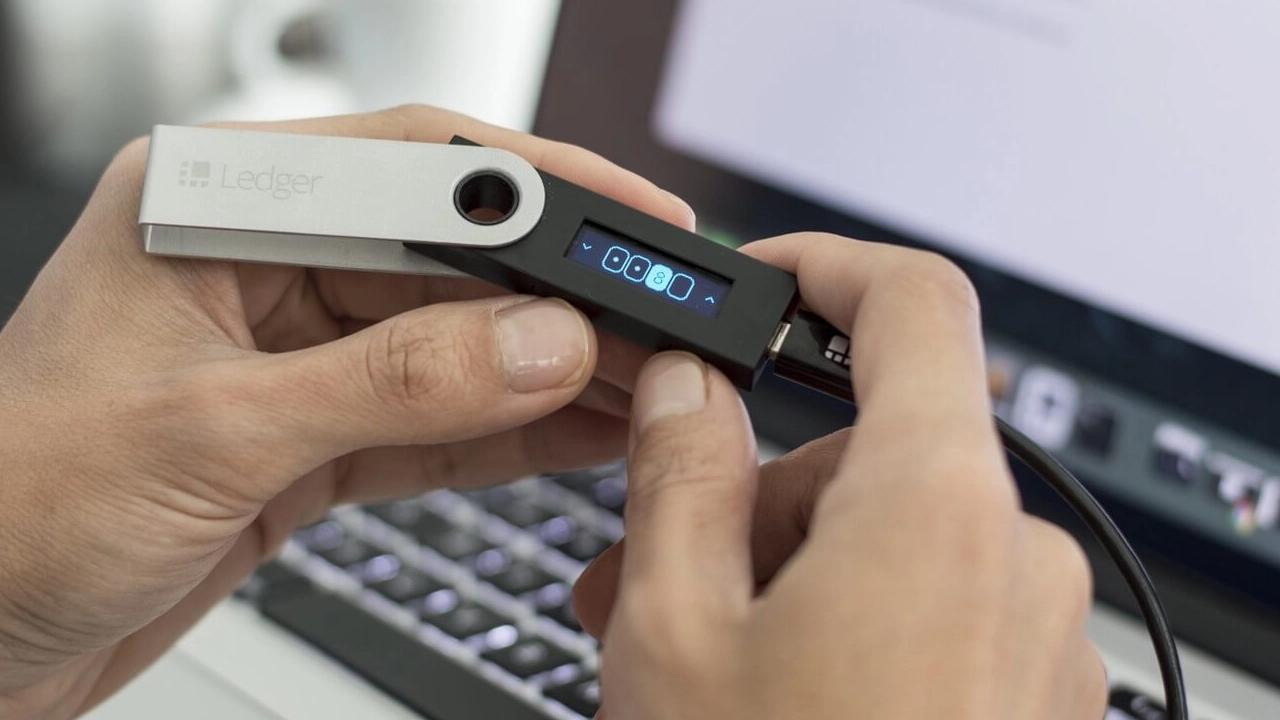
Utilize all available security features including complex passwords, biometric authentication, and two-factor verification. Consider hardware wallets for significant cryptocurrency holdings.
E. Maintain Records
Document all transactions meticulously to facilitate tax compliance and budget tracking. Comprehensive records prove invaluable for financial planning and regulatory requirements.
F. Test Functionality
Conduct small test transactions before executing significant transfers to verify addresses, conversion rates, and processing times. This verification prevents costly mistakes.
Conclusion
The hybrid wallet era represents a pivotal moment in financial technology evolution, offering unprecedented integration between traditional monetary systems and innovative digital assets. These platforms address long-standing limitations in conventional banking while making cryptocurrency accessible to mainstream consumers. As regulatory frameworks mature and technology advances, hybrid wallets will likely become standard financial tools rather than novelty solutions.
The decision to adopt hybrid wallet technology should follow careful consideration of personal financial needs, risk tolerance, and technological comfort levels. While challenges exist, the potential benefits of increased flexibility, reduced costs, and global accessibility make these platforms compelling options for forward-thinking individuals seeking optimized financial management solutions.
Success in the hybrid wallet era requires balancing enthusiasm for innovation with pragmatic caution, maintaining security vigilance while exploring new capabilities. Those who navigate this balance effectively will position themselves advantageously in the continuing evolution of personal finance, prepared to leverage emerging opportunities as the integration of crypto and cash becomes increasingly seamless and sophisticated.
The future of money transcends the binary choice between traditional currency and cryptocurrency, embracing instead a hybrid approach that honors both systems’ strengths while compensating for their respective weaknesses. This synthesis represents not an ending but a beginning—the first chapter in a new era of financial empowerment, accessibility, and possibility that promises to reshape how billions of people worldwide interact with money, value, and economic opportunity.